Introduction
When it comes to maintaining the integrity and aesthetics of your home, roof cleaning is a crucial aspect that often gets overlooked. Over time, roofs can accumulate dirt, algae, moss, and other debris that not only tarnish their appearance but can also lead to serious issues if left unaddressed. In this comprehensive guide, we will dive deep into the world of roof cleaning solutions—specifically focusing on chemical methods. We’ll explore what’s safe and effective to ensure your roof stays in top-notch condition without compromising its structural integrity.
Chemical Solutions for Roof Cleaning: What's Safe and Effective?
Cleaning your roof may seem like a straightforward task, but it involves more than just spraying water or using a brush. The right chemicals can effectively remove contaminants while being gentle enough not to cause damage. So, what are these chemical solutions?
Understanding Roof Cleaning Chemicals
Before diving into specific chemicals used for roof cleaning, it's essential to understand how they work. Most roof cleaning solutions target organic growths like algae and moss, which thrive in damp environments. These solutions usually contain:
Sodium Hypochlorite - Commonly known as bleach, it’s effective in killing mold and mildew. Potassium Salts - These are milder and help with algae removal. Biodegradable Surfactants - They break down dirt and grime without harming the environment.Is Roof Cleaning a Good Idea?
Absolutely! Regular roof cleaning is beneficial for several reasons:
- Extends Roof Life: Removing contaminants helps prevent decay. Enhances Aesthetic Appeal: A clean roof adds curb appeal to your home. Prevents Costly Repairs: By addressing issues early on, you save money in the long run.
What is the Best Method of Roof Cleaning?
The best method varies depending on the type of roofing material you have. For instance:
- For asphalt shingles, soft washing with biodegradable detergents is recommended. Tile roofs can benefit from a combination of pressure washing (on low settings) and chemical treatments.
Always consult with professionals if you're unsure about the best approach for your specific situation.
How Often Should Your Roof be Cleaned?
Generally speaking, roofs should be cleaned every 1 to 3 years. Factors such as climate and surrounding vegetation can influence this frequency. If you live in an area prone to heavy rainfall or humidity, more frequent cleanings may be necessary.
Is Pressure Washing Your Roof a Good Idea?
Not necessarily! While pressure washing can be effective for some surfaces, it may damage roofing materials like asphalt shingles by stripping away granules that protect them from UV rays. Opting for soft washing is often safer.
Can I Clean My Roof Myself?
Yes! However, safety comes first. If you decide to tackle this project yourself:
- Ensure you have proper safety equipment (harnesses, non-slip shoes). Use appropriate cleaning solutions. Work carefully to avoid damaging your shingles or tiles.
How Much Does It Cost to Coat a Roof?
Cost varies widely based on factors like:
- Type of coating Size of the roof Labor costs
On average, homeowners can expect to pay anywhere between $1-$3 per square foot for high-quality roof coatings.
What is Roof Cleaning Called?
Roof cleaning is commonly referred to as "roof restoration" or "roof maintenance." It's considered an essential part of home upkeep.
Can I Walk on My Roof to Clean It?
While walking on your roof might seem convenient, it's often risky—especially if you're not experienced or lack proper footwear. If necessary, use sturdy ladders and harnesses instead of climbing onto the surface directly.
How to Make Your Roof Look New?
To rejuvenate your roof's appearance:
Start with a thorough cleaning using appropriate chemicals. Apply a high-quality sealant or coating once dry. Regularly inspect for debris buildup.
This combination keeps your roof looking fresh while extending its lifespan.
What Happens If You Don't Clean Your Roof?
Neglecting your residential roof cleaning service roof can lead to various problems including:
- Structural damage due to mold growth Decreased energy efficiency Premature aging requiring costly replacements
Ignoring signs of wear could cost homeowners significantly down the line.
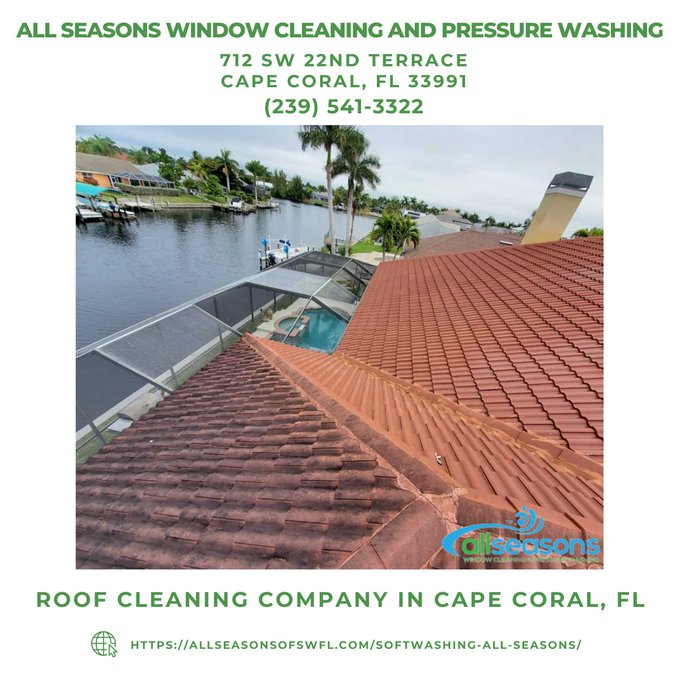
What is Soft Wash Roof Cleaning?
Soft wash cleaning uses low-pressure water combined with specialized detergents designed to eliminate organic growths safely without damaging roofing materials. This method is increasingly popular due to its effectiveness and gentleness compared with traditional pressure washing techniques.
Does Roof Cleaning Extend the Life of a Roof?
Yes! Regular maintenance through professional cleaning removes harmful elements that cause decay over time—ultimately prolonging your roof's lifespan by many years.
What is the Best Roof Cleaning Method?
As mentioned earlier:
Soft washing is generally considered safest for most roofs. Chemical treatments tailored specifically for your roofing material yield optimal results.Consult professionals who specialize in this area for tailored advice!
How Long Does It Take To Clean a Roof?
Typically, professional cleanings take anywhere from 1–4 hours based on size & condition & chosen method (pressure wash vs soft wash). DIY jobs might take longer depending on experience level!
FAQs About Chemical Solutions for Roof Cleaning
Here are some frequently asked questions regarding roof cleaning chemicals:
What chemical is used to clean roofs?
Sodium hypochlorite (bleach) is commonly used alongside biodegradable surfactants.
Is steam cleaning a roof safe?
Steam cleaning can be safe if performed correctly; however it may not eliminate all types of stains effectively compared with chemical treatments.
How long does it take for roof cleaner to work?
Most cleaners show results within 24–48 hours after application but heavily stained areas may require additional treatment time.
Should you rinse a roof after washing?
Yes! Rinsing removes residual chemicals which could potentially harm plants below or degrade roofing materials over time.
How long is a roof supposed to last?
Depending on material quality & maintenance practices; asphalt shingle roofs generally last around 20 years while metal/ tile options can exceed 50 years!
li28/ol4/hr1hr1/##
This article aims at providing comprehensive information about chemical solutions used in rooftop maintenance while answering common queries homeowners have regarding their care routines ensuring they feel confident moving forward maintaining their own spaces!