Introduction
When it comes to maintaining the integrity and aesthetics of our homes, understanding the unique care needs of various surfaces is paramount. From roofs to floors, each surface type requires tailored cleaning and maintenance strategies. In this article, we will delve deep into the different surfaces homeowners encounter, focusing particularly on roof care—an often overlooked yet crucial aspect of home maintenance. We’ll answer common questions such as “Is roof cleaning a good idea?” and “How often should your roof be cleaned?” while providing insights into methods, costs, and the potential pitfalls of neglecting your roof's upkeep.
Understanding Roof Surfaces: Types and Materials
Types of Roof Materials
Roofs come in a variety of materials, each with its own specific care requirements. Common types include asphalt shingles, metal roofs, tile roofs, and flat roofs. Each material has its strengths and weaknesses in terms of durability, appearance, and maintenance needs.
Asphalt Shingles
Asphalt shingles are one of the most popular roofing materials due to their affordability and ease of installation. However, they can be prone to algae growth if not properly maintained.
Metal Roofs
Metal roofs are known for their longevity and resistance to harsh weather conditions. They require less frequent cleaning but still benefit from regular maintenance.
Tile Roofs
Tile roofs add a distinctive aesthetic appeal but can be heavy and expensive to install. They can last for decades if cared for properly.
Flat Roofs
Flat roofs are commonly found on commercial buildings but are also used in residential homes. They require regular inspections to prevent water pooling.
Why Surface Material Matters
Understanding what your roof is made from helps determine how often it needs cleaning and which methods will be effective without causing damage.
The Importance of Regular Roof Cleaning
Is Roof Cleaning a Good Idea?
Absolutely! Regular roof cleaning is essential for maintaining the longevity of your roofing system. Neglecting this task can lead to several issues:
- Algae Growth: If left unchecked, algae can spread across your roof surface. Debris Buildup: Leaves, branches, and other debris can trap moisture on your roof. Potential Leaks: Over time, accumulated debris can lead to leaks or structural damage.
What Happens If You Don't Clean Your Roof?
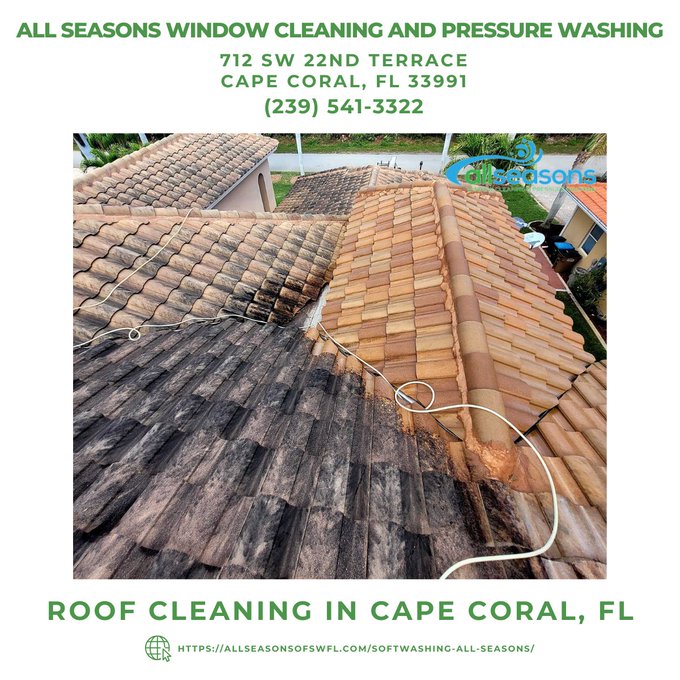
Failing to clean your roof regularly can result in costly repairs down the line. Algae growth not only affects aesthetics but can also decrease your home's value by causing premature wear on roofing materials.
Methods for Cleaning Your Roof: Weighing Options
What Is the Best Method of Roof Cleaning?
The best method depends on various factors including your roof material, level of dirt or algae buildup, and personal preference.
Soft Washing vs. Pressure Washing
- Soft Washing: This method involves using low-pressure water combined with specialized cleaning solutions that break down dirt without damaging roofing materials. Pressure Washing: While effective for hard surfaces like concrete driveways, pressure washing can strip away protective layers from shingles if not done correctly.
How Often Should Your Roof Be Cleaned?
Most experts recommend cleaning your roof every 1-3 years. However, factors like local climate conditions may necessitate more frequent cleanings—especially in humid areas prone to mold growth.
DIY Roof Cleaning: Pros and Cons
Can I Clean My Roof Myself?
Yes! Many homeowners take on this task themselves; however, it's important to assess whether you have the skills and equipment required.
Pros:
- Cost-effective Greater control over process
Cons:
- Safety risks associated with climbing Potential damage if not done correctly
How Do I Clean My Roof Myself?
Gather necessary tools: safety harnesses, ladders, brushes. Remove debris manually. Apply a soft wash solution using a sprayer. Rinse thoroughly with water (if needed). roof washing solutionsProfessional vs DIY: Making the Right Choice
Should I Clean My Own Roof?
While many choose DIY methods for cost savings, hiring professionals ensures thorough cleaning without risking damage or injury.
What Do Pros Use To Clean Roofs?
Professional services typically utilize soft washing techniques combined with eco-friendly chemical solutions that effectively remove algae and dirt while being safe for your roofing material.
Costs Associated with Roof Cleaning & Coating
How Much Does It Cost To Coat A Roof?
Roof coating prices vary based on size and material but typically range from $0.75 to $3 per square foot.
Factors Influencing Cost:
- Type of coating chosen Condition of existing roofing Accessibility and pitch
Does Roof Coating Work?
Yes! Properly applied coatings extend the life of roofs by adding an extra layer of protection against weather elements while improving energy efficiency by reflecting sunlight.
The Risks Involved With Different Cleaning Methods
Is Pressure Washing Your Roof a Good Idea?
In general, no—pressure washing is not recommended for most residential roofs due to risks associated with damage from high-pressure water streams.
What Are The Cons Of Pressure Washing?
Can void warranties on certain roofing materials. Risk of removing granules from shingles. Potential for water intrusion if seams are improperly sealed post-cleaning.Safety Measures When Cleaning Your Roof
Can I Walk On My Roof To Clean It?
Generally speaking—yes—but only if it’s safe! Here are some tips:
Wear proper footwear with grip. Consider using a safety harness tethered securely. Avoid walking directly on fragile areas like skylights or overhangs.Enhancing Aesthetics Through Careful Maintenance
How To Make Your Roof Look New?
Regular cleaning coupled with periodic treatments (like sealing) will help restore your roof's original appearance:
Remove all debris regularly. Apply biocide solutions annually to combat algae growth. Inspect regularly for damaged shingles or tiles that need replacement.FAQs about Roofing Care
1. How Long Does It Take To Clean A Roof?
Typically about 2-6 hours depending on size and condition; professional services may complete it faster due to experience!
2. What Chemical Is Used To Clean Rooftops?
Common chemicals include sodium hypochlorite or specialized eco-friendly solutions designed specifically for roofs!
3. Is Steam Cleaning A Roof Safe?
Steam cleaning can be safe when performed carefully—however always consult an expert before attempting this method!
4. Should You Rinse A Roof After Washing?
Yes! Rinsing helps remove any remaining chemical residue that could potentially harm plants below or compromise roofing integrity long-term.
5. How Long Does Soft Washing A Roof Last?
Soft washing treatments generally last 3-5 years before needing reapplication depending largely upon environmental conditions!
6. Why Is My Roof Turning Green?
A greenish tint usually indicates algae growth—a common issue especially in humid environments where moisture retention occurs frequently!
Conclusion
Maintaining various surfaces around our homes—especially our roofs—is crucial for preserving property value while ensuring safety against weather elements over time! By understanding unique care requirements—including when/how often they should be cleaned—we empower ourselves as responsible homeowners who cherish both aesthetics & functionality alike! Whether opting for DIY methods or hiring professionals—it’s essential we prioritize these tasks so our homes continue looking their best through all seasons!
In conclusion—and as we've explored throughout this article—the importance behind "Exploring Various Surfaces And Their Unique Care Needs" cannot be overstated! Embrace proactive measures today so that tomorrow may bring nothing but pristine surroundings free from worry—or worse yet costly repairs later down the road!